
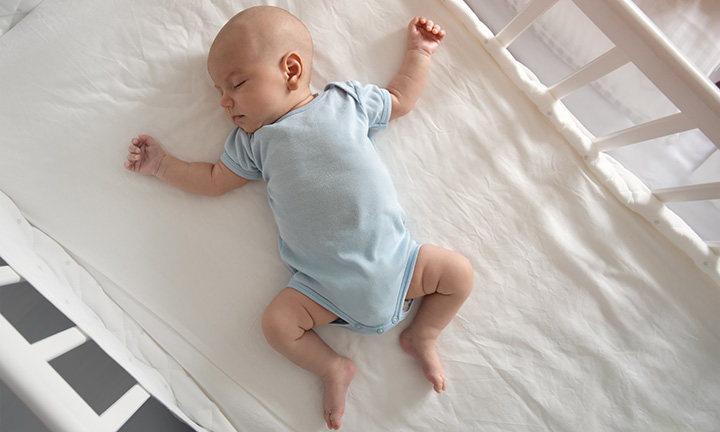
Welcoming a newborn into your life is one of the most joyous occasions, but it also brings along many responsibilities, especially when it comes to ensuring their safety and well-being. One of the most important aspects of infant care is making sure your baby sleeps safely. Safe sleep practices are essential in reducing the risk of sudden infant death syndrome (SIDS) and other sleep-related incidents. As a parent, understanding how to create a safe sleeping environment is crucial for your baby’s health. In this article, we will provide a comprehensive guide to safe sleeping positions for newborns.
Why Safe Sleeping Matters for Newborns
The first few months of a baby’s life are typically marked by frequent sleep. In fact, babies can sleep up to 16-18 hours a day during their early months. However, creating a safe sleeping environment is just as important as the amount of sleep your baby gets. Newborns are highly vulnerable, and even small risks can lead to serious consequences, such as suffocation or sudden infant death syndrome (SIDS). It’s important to follow safe sleeping practices to ensure that your baby is not only comfortable but also safe.
Here are the main reasons why safe sleeping positions matter:
Reduce SIDS Risk:
Sudden Infant Death Syndrome (SIDS) is one of the leading causes of infant mortality. Although the exact cause of SIDS is unknown, studies show that babies who sleep on their stomachs or sides are at a higher risk. Safe sleep practices, particularly sleeping on the back, significantly reduce the risk of SIDS.
Prevent Suffocation:
Newborns are unable to adjust their position if they’re having trouble breathing. This is why safe sleeping practices are crucial to preventing suffocation. If your baby’s face is covered by soft materials like blankets or pillows, it can lead to a suffocation hazard. It’s essential to ensure that their sleep environment is clear of these items to keep them safe.
Promote Healthy Development:
Proper sleep positions not only protect your baby’s life but also contribute to their healthy development. Babies who sleep in safe positions are less likely to develop issues such as flat head syndrome (positional plagiocephaly). The way your baby sleeps can impact their physical development, including the alignment of their skull and spine.
Safe Sleeping Tips for Newborns
Now that you understand why safe sleeping matters, let’s look at the practical steps you can take to create a safe sleep environment for your newborn.
1. Back to Sleep:
The American Academy of Pediatrics (AAP) strongly recommends placing your baby on their back for every sleep time, including naps and overnight sleep. Sleeping on the back has been proven to significantly reduce the risk of SIDS. Always place your baby on their back when they go to sleep.
It is important to note that once your baby starts rolling over on their own, you don’t need to worry as much about repositioning them. However, you should still start them off on their back to sleep.
2. Use a Firm Sleep Surface:
Make sure your baby sleeps on a firm mattress designed for infants. The mattress should fit snugly in the crib or bassinet, with no gaps where your baby could get stuck. A firm surface is crucial for ensuring your baby’s safety while they sleep. Avoid using soft mattresses, pillows, or anything that could create a risk of suffocation.
Never place your baby to sleep on soft surfaces such as couches, armchairs, or adult beds. These can pose significant risks, as babies can easily get trapped or suffocate due to the softness of the surfaces.
3. Keep the Crib Clear:
Clear your baby’s crib or bassinet of all loose bedding, including pillows, stuffed animals, blankets, and bumper pads. These items can increase the risk of suffocation, particularly if they shift and cover your baby’s face. Instead, opt for a fitted sheet and a wearable blanket (also known as a sleep sack) to keep your baby warm without the risk of loose blankets.
4. Maintain a Comfortable Room Temperature:
Overheating is another risk factor for SIDS. Keep your baby’s room at a comfortable temperature, and dress them in light, breathable layers. The AAP recommends a room temperature of 68–72°F (20-22°C) as ideal. Avoid overdressing your baby, as this can lead to overheating. Always check the back of their neck or chest to see if they are too warm.
5. Avoid Co-Sleeping:
While many parents choose to co-sleep with their newborns, it is generally safer for your baby to sleep in their own crib or bassinet. Co-sleeping increases the risk of suffocation, overheating, or falls. If you must co-sleep, make sure it is done safely by following the necessary guidelines. The AAP recommends that babies sleep in the same room as their parents, but in a separate sleep space such as a crib or bassinet.
6. Offer a Pacifier:
Research suggests that offering a pacifier at naptime and bedtime can reduce the risk of SIDS. A pacifier may help keep your baby’s airway open during sleep. If you are breastfeeding, wait until breastfeeding is well-established before introducing a pacifier (usually around 3–4 weeks old).
7. Supervised Tummy Time:
While back sleeping is recommended for sleep, tummy time is just as important when your baby is awake. Supervised tummy time helps develop the muscles in your baby’s neck, shoulders, and arms, which is essential for their physical development. Start tummy time as early as possible (from day one) for short periods, gradually increasing the time as your baby gets stronger.
8. Check on Your Baby:
While it’s important to let your baby sleep peacefully, it’s equally important to check on them periodically. Make sure they’re breathing comfortably and that their sleep environment remains safe. Avoid disturbing them unless necessary, as babies sleep better when undisturbed.
Conclusion
Creating a safe sleep environment for your newborn is one of the most important aspects of infant care. By following these guidelines for safe sleeping positions, you can significantly reduce the risk of SIDS and other sleep-related incidents. Remember that every baby is unique, and it’s essential to adapt these practices to fit your baby’s specific needs. Prioritizing safe sleep will not only give you peace of mind but also contribute to your newborn’s healthy physical and mental development during those precious early months.