
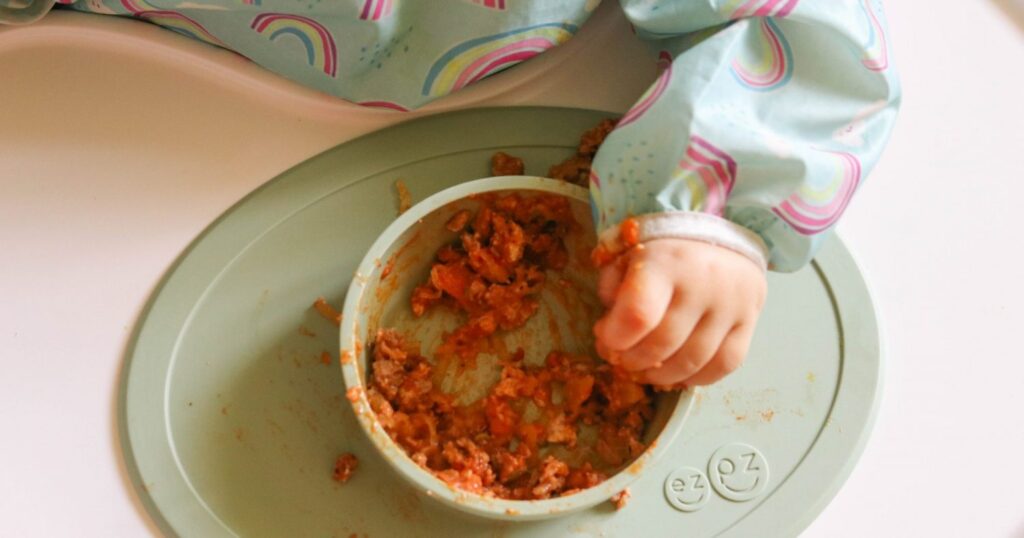
Stage 1 Baby Food: Nourishing Beginnings” is the first step in your baby’s journey to solid foods. Understanding the importance of Stage 1 baby food, when to start, and which options are best for your little one is essential. In this comprehensive guide, we’ll explore the significance of Stage 1 baby food, signs of readiness, and popular choices to cater to your baby’s early nutritional needs.
The Essence of Stage 1 Baby Food
What is Stage 1 Baby Food?
Stage 1 baby food is the first solid food your baby will try. It is typically recommended for babies around 4 to 6 months old. At this stage, your baby is ready to transition from breast milk or formula to solid foods, but their digestive system is still maturing. Therefore, these foods are pureed to a smooth consistency.
Stage 1 foods consist of simple, single ingredients like fruits, vegetables, and grains. These foods are specifically designed to be easy to digest and less likely to cause allergies.
Texture and Nutrient Introduction:
The texture of Stage 1 baby food is smooth and runny, making it easy for babies to swallow. This texture helps to prevent overwhelming their developing digestive system. Moreover, Stage 1 foods introduce essential nutrients that are vital for growth. Nutrients like iron, vitamin A, and folic acid promote brain development, immune function, and bone growth.
For example, sweet potatoes and peas are excellent choices. They are packed with essential vitamins and minerals that support your baby’s health.
Signs Your Baby is Ready for Stage 1
Knowing when to start Stage 1 baby food is important. Every baby is different, but there are some key signs to look for.
Head and Neck Control:
Firstly, your baby needs to have good head and neck control. This is crucial because your baby needs to sit upright during mealtime to avoid choking. Additionally, they should be able to sit with minimal support.
Expressing Interest in Food:
Secondly, if your baby watches you closely when you eat or tries to grab your food, it is a sign they may be ready for solids. Babies often show interest by reaching for food, making chewing motions, or attempting to grab food from your plate. These actions suggest they are developing the motor skills necessary to begin exploring solid foods.
Loss of Tongue-Thrust Reflex:
Thirdly, newborns have a natural tongue-thrust reflex that causes them to push food out of their mouths. As babies grow, this reflex fades. If your baby no longer pushes food out with their tongue, it’s a clear indication they are ready for solids.
Popular Stage 1 Baby Food Choices
When selecting Stage 1 baby food, there are many trusted brands that provide nutritious options. Below are some popular choices:
1. Gerber 1st Foods
Gerber offers a variety of purees in their 1st Foods line. These are smooth, single-ingredient purees, perfect for introducing your baby to solid foods. Some popular options include mashed sweet potatoes, carrots, apples, and peas.
2. Earth’s Best Organic Stage 1 Baby Food
Earth’s Best Organic provides Stage 1 baby food made from organic fruits and vegetables. These purees are free from pesticides and preservatives, making them a healthy, eco-friendly choice. Popular options include organic applesauce, carrots, and sweet potatoes.
3. Beech-Nut Naturals Stage 1 Baby Food
Beech-Nut Naturals focuses on natural ingredients with minimal processing. Their Stage 1 purees are made with just one ingredient, allowing babies to explore different tastes without being overwhelmed. Popular options include sweet potato, banana, and peas.
4. Happy Baby Organics Stage 1 Baby Food
Happy Baby Organics offers a range of Stage 1 baby food options in convenient pouches. These include purees of fruits, vegetables, and grains, as well as blends like apples and quinoa. These foods are rich in nutrients and are great for on-the-go feeding.
Serving Stage 1 Baby Food
Now that you’ve selected the right Stage 1 foods, here are some tips for introducing them to your baby:
Start with Single Ingredients:
It’s best to begin with single-ingredient purees. This allows you to monitor for allergies and helps your baby get used to individual flavors. You can start with applesauce, sweet potato puree, or mashed avocado.
Gradual Introduction:
Introduce new foods one at a time. Wait a few days before offering a new food. This will give you time to monitor for any reactions. Gradual introduction also helps your baby develop a diverse palate and makes mealtime less overwhelming.
Consistency is Key:
Try to maintain a consistent feeding schedule. At first, feed your baby Stage 1 solids once or twice a day. Gradually, you can increase the frequency and variety of solid foods. Always make sure the food is fresh, properly stored, and heated to a safe temperature before serving.
Conclusion
Nourishing stage 1 baby food is an exciting and important milestone in your baby’s nutritional journey. It sets the foundation for a lifetime of healthy eating habits. By introducing solids at the right time and offering nutrient-rich foods, you are supporting your baby’s growth and development.
Remember, patience and careful attention are key. Pay close attention to your baby’s cues, introduce new foods gradually, and ensure they are getting the best nutrition possible. By offering trusted brands like Gerber, Earth’s Best Organic, Beech-Nut Naturals, and Happy Baby Organics, you can confidently nourish your baby with the best that nature has to offer.
This phase of exploration helps your baby develop a healthy relationship with food that will last a lifetime.