
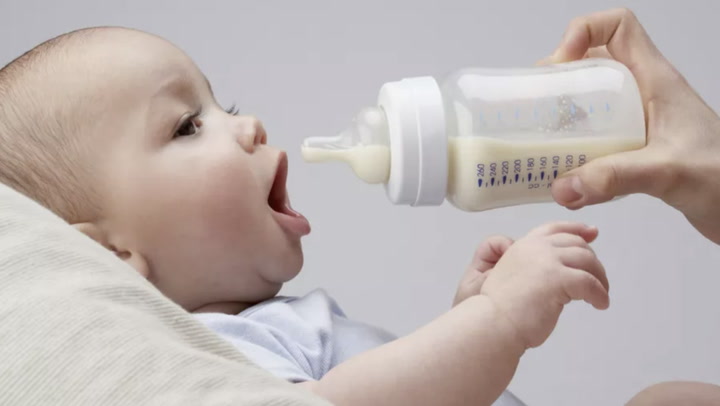
When it comes to caring for your baby, choosing the right feeding products is essential. The products you use to feed your baby can have a significant impact on their health, development, and comfort. From baby bottles to high chairs, the right tools can make feeding time easier for both you and your baby. In this article, we’ll explore the various types of baby feeding products, their benefits, and how to choose the best ones for your little one.
1. Baby Bottles: The Basics
First and foremost, baby bottles are among the most essential items when feeding your baby. Bottles are used to feed babies either formula milk or expressed breast milk. They come in different sizes and shapes. Therefore, choosing the right bottle can help make feeding easier and more comfortable for your baby.
Types of Baby Bottles:
-
Glass Bottles: Glass is durable and free of chemicals like BPA. Moreover, it is easy to clean and can be reused many times.
-
Plastic Bottles: On the other hand, plastic bottles are lightweight and easy to carry. However, it’s important to choose BPA-free plastic to avoid harmful chemicals.
-
Stainless Steel Bottles: Additionally, stainless steel bottles are strong and durable, and they do not retain odors. They are also free from harmful chemicals.
Choosing the Right Bottle:
-
Consider the material (glass, plastic, or stainless steel).
-
Choose a bottle with a nipple that fits your baby’s feeding style.
-
Furthermore, make sure the bottle is easy to clean and sterilize.
2. Baby Bottle Nipples
The nipple on a baby bottle is equally important. It controls the flow of milk and ensures your baby feeds comfortably. Nipples come in various shapes, sizes, and flow rates. The flow rate is especially important for newborns or older babies who may need a slower or faster milk flow.
Types of Nipples:
-
Slow Flow: This type is best for newborns, as it mimics the natural flow of breast milk.
-
Medium Flow: Suitable for older babies who can drink more quickly.
-
Fast Flow: Ideal for babies who are ready to drink more milk in a shorter time.
How to Choose:
-
Consider your baby’s age and how quickly they feed.
-
Ensure the nipple is made of safe, BPA-free materials.
3. Baby Feeding Utensils
Once your baby starts eating solid foods, you will need feeding utensils like spoons, forks, and bowls. These products help introduce your baby to self-feeding while providing the right tools for easy and safe eating.
Types of Baby Feeding Utensils:
-
Spoons: Soft-tip spoons are gentle on your baby’s gums and are perfect for starting solid foods.
-
Forks: Small, rounded forks are designed for babies as they begin to learn how to self-feed.
-
Bowls and Plates: Look for bowls with suction cups to prevent them from tipping over.
Choosing Baby Utensils:
-
Choose utensils made from safe, non-toxic materials like bamboo or stainless steel.
-
Moreover, ensure that they are easy for your baby to hold and use.
4. High Chairs and Booster Seats
As your baby gets older and starts eating larger meals, a high chair or booster seat becomes a necessity. A high chair ensures your baby is safely positioned at the table and can eat with the family. This also helps to encourage social interaction during mealtime.
Types of High Chairs:
-
Traditional High Chairs: These chairs have adjustable features and can grow with your child, making them a good long-term investment.
-
Booster Seats: These can be placed on a regular chair and are ideal for families with limited space.
-
Foldable High Chairs: If space is an issue, foldable high chairs are a great option as they can be easily stored when not in use.
How to Choose:
-
Look for a high chair that is adjustable for height and recline.
-
Make sure the high chair has safety straps to keep your baby secure.
5. Bibs and Burp Cloths
Babies are messy eaters, and bibs and burp cloths are a must-have during feeding time. Bibs help protect your baby’s clothes from spills and dribbles, while burp cloths are used to wipe away any spit-up after feeding.
Types of Bibs:
-
Cotton Bibs: Soft, breathable, and absorbent, cotton bibs are ideal for everyday use.
-
Silicone Bibs: These are waterproof, easy to clean, and come with a pocket to catch spills.
-
Bandana Bibs: Stylish and functional, these bibs are made from soft fabrics and can be worn all day.
How to Choose:
-
Choose bibs that are easy to clean (machine washable or wipeable).
-
Opt for burp cloths that are soft and absorbent to ensure comfort for your baby.
6. Baby Food Storage
As your baby starts eating solid foods, you’ll need proper storage options for baby food. There are several eco-friendly and safe ways to store homemade or store-bought baby food.
Types of Baby Food Storage:
-
Glass Jars: Glass jars are reusable and provide a safe storage solution. They are free from harmful chemicals found in plastic containers and provide an airtight seal to keep your baby’s food fresh.
-
Plastic Containers: BPA-free plastic containers are lightweight and easy to store. However, it’s important to ensure they are free from toxic chemicals.
-
Silicone Food Pouches: These are reusable and a great way to store and serve purees or smoothies. They are eco-friendly and can be used multiple times, reducing waste.
How to Choose:
-
Choose storage containers that are easy to clean and sterilize.
-
Make sure the storage containers are BPA-free and safe for baby food.
7. Bottle Sterilizers
Sterilizing bottles and feeding utensils is important to keep your baby safe from harmful bacteria. A bottle sterilizer helps ensure that your baby’s feeding products are clean and sanitized.
Types of Bottle Sterilizers:
-
Steam Sterilizers: These use steam to sterilize bottles and are fast and effective.
-
UV Sterilizers: UV light is used to kill bacteria and germs without the need for water.
-
Boiling Water: A traditional method of sterilizing bottles by boiling them in hot water.
How to Choose:
-
Choose a sterilizer that fits your needs and preferences (e.g., steam vs. UV).
-
Make sure it is easy to use and clean.
8. Baby Food Makers
If you prefer making your own baby food, a baby food maker can be a great investment. These machines are designed to steam, blend, and puree fruits, vegetables, and other foods, making it easier to prepare healthy meals for your baby.
Types of Baby Food Makers:
-
Steamer and Blender Combos: These combine both steaming and blending functions for convenience.
-
Standalone Blenders: These are perfect for pureeing fruits and vegetables quickly and efficiently.
How to Choose:
-
Consider how easy the food maker is to clean.
-
Choose one that can steam and blend in one step to save time.
Conclusion
Choosing the right baby feeding products is crucial for ensuring your baby’s health and well-being.
From bottles and nipples to high chairs and baby food storage, each product plays an important role in your baby’s feeding routine.
By carefully selecting high-quality, safe, and eco-friendly feeding items, you can make feeding time easier, safer, and more enjoyable for both you and your little one.
When shopping for baby feeding products, always look for items made from non-toxic, BPA-free materials.
It’s important to consider your baby’s needs and your own lifestyle, as different products are better suited for various stages of your baby’s development.
By making informed choices, you are setting the foundation for a healthy and happy feeding experience for your baby.