
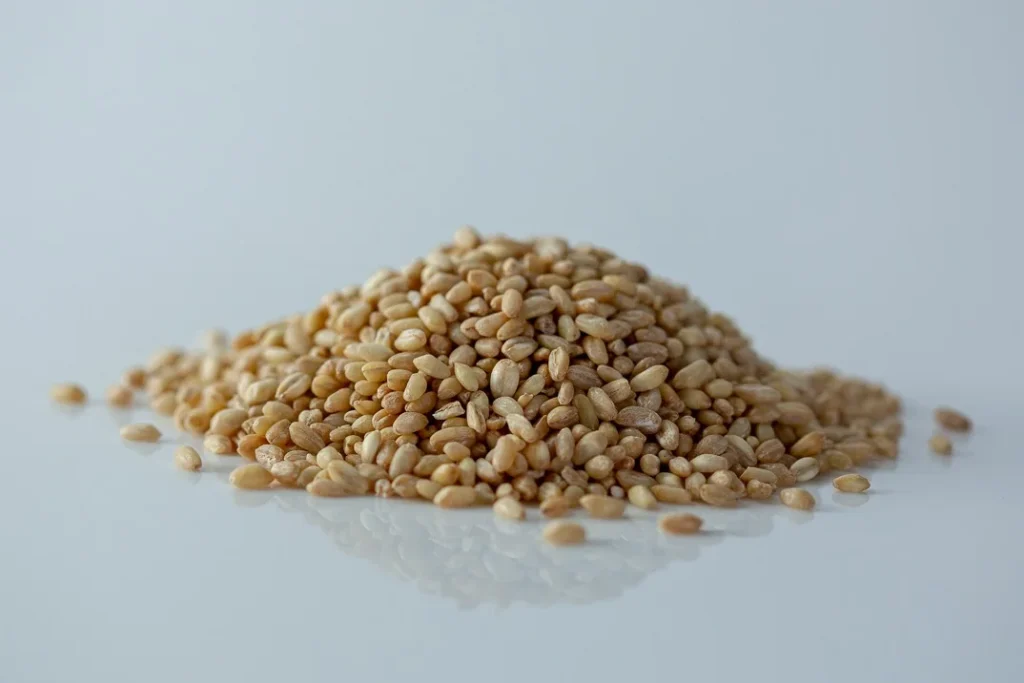
Baby Cereal is often the first solid food parents choose when introducing new textures and nutrients to their little ones. As babies begin transitioning from milk to solids, baby cereal provides a gentle, easy-to-digest option that supports healthy growth and development. Whether it’s rice, oats, or multigrain, baby cereal offers essential vitamins and minerals that help nourish infants during their earliest stages.
Why Gluten-Free Baby Food Is Important
Some babies tolerate gluten without any problems. However, others may experience bloating, fussiness, or digestive discomfort.
Therefore, starting with gluten-free options reduces these risks. Additionally, gluten-free foods are generally gentle on developing digestive systems.
Furthermore, they allow babies to explore new textures without irritation.
Key Benefits of Gluten-Free Baby Food
1. Easier Digestion
Gluten-free foods like rice, quinoa, and sweet potato digest more easily. As a result, babies feel more comfortable after meals. Moreover, smoother digestion can reduce spit-ups, gas, and fussiness.
2. Lower Allergy Risk
Some babies react to gluten. Consequently, gluten-free options help minimize allergic reactions. In addition, these foods often use simple, high-quality ingredients that are safe for sensitive infants.
3. Nutritionally Balanced
Gluten-free grains provide essential nutrients such as iron, fiber, and vitamins. For example, quinoa contains all nine essential amino acids. Moreover, rice offers gentle energy and fiber for healthy growth. Therefore, gluten-free baby food can be both safe and nutritious.
4. Supports Healthy Feeding Habits
Introducing gluten-free options gradually helps babies adapt to solids. Meanwhile, parents can observe reactions to different foods. As a result, they can identify sensitivities early. Furthermore, this approach encourages lifelong healthy eating habits.
Popular Gluten-Free Ingredients for Babies
When choosing gluten-free baby food, prioritize whole and natural ingredients. Additionally, mixing different grains ensures varied nutrition.
-
Rice Cereal – Gentle on tiny stomachs; mixes easily with breast milk or formula.
-
Quinoa – Protein-rich and full of amino acids; supports healthy growth.
-
Sweet Potato – Packed with vitamin A and C; blends into a smooth texture.
-
Apples and Pears – Mild, nutritious, and perfect for first foods.
-
Oats (Certified Gluten-Free) – Excellent fiber source; ensures easy digestion.
Moreover, rotating grains introduces new flavors and nutrients. In fact, it reduces picky eating habits in the future.
Homemade vs. Store-Bought Gluten-Free Baby Food
Homemade Baby Food
Homemade options allow parents to control ingredients. Additionally, you can prepare fresh meals tailored to your baby’s taste. However, homemade foods require extra time, storage, and proper hygiene.
Store-Bought Baby Food
Store-bought gluten-free foods are convenient. For example, brands like Happy Baby and Beech-Nut label their products clearly. Furthermore, most undergo strict safety and quality tests. Nevertheless, always read labels to avoid hidden gluten.
How to Introduce Gluten-Free Foods
Start feeding solids around six months, unless your pediatrician advises otherwise. Moreover, begin with single-ingredient purees. Consequently, you can monitor reactions carefully. After a few days, gradually introduce new foods. In addition, you can thicken textures over time. Finally, mix fruits or vegetables to create balanced meals.
Signs Your Baby Is Ready for Gluten-Free Baby Food
-
Can sit with support
-
Holds head steadily
-
Reaches for food
-
Shows interest in what you eat
-
Tongue-thrust reflex has faded
If your baby shows these signs, you can start gluten-free cereal safely. Meanwhile, continue offering breast milk or formula for additional nutrition.
Trusted Gluten-Free Baby Food Brands
Several brands provide reliable gluten-free options. For example:
-
Earth’s Best – Organic cereals and purees
-
Happy Baby – Clean-label gluten-free pouches
-
Plum Organics – Fruit and vegetable purees
-
Beech-Nut Naturals – Simple, natural gluten-free meals
Additionally, local gluten-free options are increasingly available. Consequently, parents have more choices than ever.
Common Mistakes to Avoid
Even with gluten-free foods, mistakes can occur. Therefore, be mindful of the following:
-
Not checking labels for hidden gluten
-
Assuming all oats are gluten-free
-
Introducing multiple new foods at once
-
Ignoring pediatrician guidance
By avoiding these mistakes, feeding becomes safe and stress-free. Moreover, babies can enjoy a positive food experience.
Conclusion
Nutrition shapes your baby’s growth and development. Tender Beginnings: Exploring the World of Gluten-Free Baby Food empowers parents with knowledge and practical tips.
Furthermore, gluten-free options reduce digestive discomfort, support nutrient intake, and foster healthy eating habits. As a result, every spoonful builds a foundation for lifelong wellness. Finally, choosing the right gluten-free foods ensures a smooth, healthy start for your little one.