
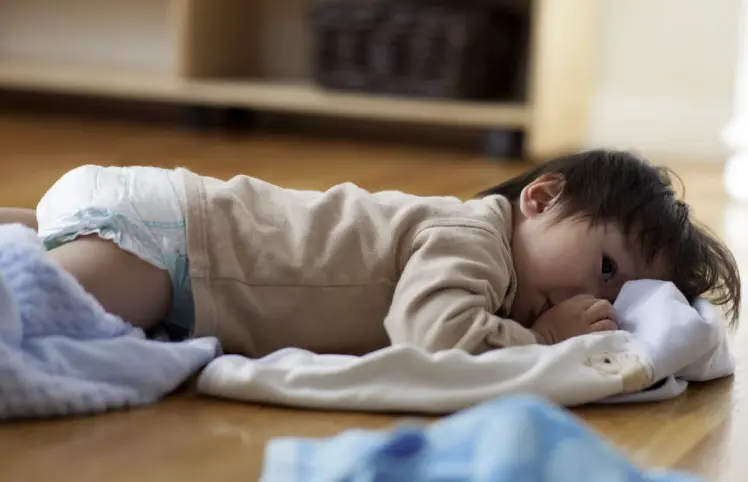
The effects of sleep on baby development are far-reaching and critical for your baby’s growth. Sleep is not just a time for rest, but a vital period for the physical, mental, and emotional growth of babies. During sleep, babies’ bodies and brains work hard to develop, consolidate memories, and process new information. In this article, we’ll explore the many ways that sleep affects your baby’s development, from brain growth to emotional regulation, and how you can ensure your baby gets the best sleep for optimal growth.
1. Brain Development: A Time for Growth
One of the most important effects of sleep on baby development is its impact on brain development.
Babies’ brains grow rapidly in the first few months and years of life, and sleep plays a crucial role in this process.
During sleep, especially deep sleep, the brain is working hard to organize information, form connections, and strengthen neural pathways.
Sleep helps babies process the experiences and information they encountered during the day. As babies sleep, their brain consolidates memories, which is essential for learning.
Babies who get adequate sleep are shown to have better cognitive skills, including problem-solving, language development, and memory.
Moreover, sleep influences emotional regulation, which is linked to brain maturation. Well-rested babies are better able to process their emotions and develop social skills as they grow.
2. Physical Growth: Rest and Repair
Physical growth is another key area where sleep has a profound impact. Sleep is the time when the body repairs itself and regenerates.
During deep sleep, the body releases growth hormones that are crucial for babies’ development.
These hormones support the growth of muscles, bones, and organs, ensuring that your baby grows at a healthy rate.
Additionally, sleep strengthens the immune system. A baby who is well-rested is less likely to get sick and is more able to fight off infections. Sleep helps maintain healthy metabolic function, regulates appetite, and supports physical resilience.
For newborns and infants, sleep is also the time when their body grows the most. Babies who are not getting enough sleep may show signs of delayed physical development, such as slower weight gain or a lack of physical energy.
3. Emotional Regulation: Building a Stable Foundation
Sleep plays an important role in emotional regulation and mental health. A baby’s ability to process emotions and self-soothe largely depends on the amount and quality of sleep they get.
Babies who are sleep-deprived tend to be more irritable, fussy, and difficult to calm down. Sleep deprivation can also lead to more frequent tantrums and behavioral problems as babies get older.
Adequate sleep helps babies regulate their moods, which is crucial for healthy emotional development.
A well-rested baby is more likely to be calm, happy, and able to handle stress in a more balanced way.
In the long run, healthy sleep habits lay the foundation for emotional resilience, better stress management, and social interactions as children grow into toddlers and beyond.
4. Memory and Learning: Enhancing Cognitive Abilities
When babies sleep, their brains are busy processing and consolidating new information. This is essential for their learning and memory.
During sleep, the brain transfers information from short-term memory into long-term storage.
This allows babies to retain and recall information they learned during the day, such as new words, sounds, or movements.
For example, research has shown that babies who are allowed to sleep after learning new tasks are better able to recall and improve on those tasks. Sleep supports the development of cognitive abilities such as memory, problem-solving, and motor coordination.
Studies also suggest that babies who have adequate sleep show improved language development.
They are better able to recognize and process language sounds, which helps them understand and speak more effectively.
Babies who miss sleep may struggle with memory retention and may experience delays in learning new skills.
5. Sleep and the Development of Language Skills
Sleep plays a critical role in the development of language skills. Babies spend a lot of time in REM (rapid eye movement) sleep, the stage of sleep where the brain is highly active and processing information. This stage of sleep is important for babies to process and learn language.
Babies who get enough sleep show quicker language development, such as recognizing the sounds of speech, understanding words, and eventually speaking their first words.
Lack of sleep can interfere with this important developmental process, leading to delays in speech and language comprehension.
Sleep also supports social development, as babies learn how to interact with caregivers and others.
A well-rested baby is more likely to engage in social interactions and be receptive to learning communication skills, such as making eye contact, smiling, or responding to voices.
6. Sleep Habits and Sleep Training: Laying the Foundation for Healthy Growth
While sleep is crucial for Effects of sleep on baby development, how much sleep a baby needs and how they sleep is just as important.
Establishing healthy sleep habits early on can significantly impact a baby’s overall development.
Babies thrive on routine, and regular sleep patterns help regulate their internal clock, making it easier for them to fall asleep and stay asleep.
Sleep training, when done gently and consistently, helps babies learn to self-soothe and fall asleep on their own.
This not only helps babies get better quality sleep but also promotes emotional independence and resilience.
To create an environment that promotes good sleep, consider the following:
-
A consistent sleep schedule: Try to put your baby to sleep at the same time each night. This helps regulate their internal clock.
-
A calming bedtime routine: Create a soothing environment before bedtime with calming activities such as a warm bath, soft music, or reading a book.
-
Comfortable sleep space: Ensure your baby’s crib or bassinet is safe, quiet, and free of distractions. Keep the room at a comfortable temperature, and use dim lights to create a peaceful atmosphere.
-
Avoid overstimulation: Limit stimulating activities or bright lights close to bedtime, as this can interfere with your baby’s ability to fall asleep.
7. The Impact of Sleep Deprivation
Sleep deprivation in babies can lead to a variety of developmental challenges. Babies who don’t get enough sleep may experience delays in motor skills, emotional regulation, and cognitive abilities. They may also be more prone to illnesses, as sleep helps strengthen the immune system.
Inadequate sleep can also lead to behavioral problems. Babies who are sleep-deprived tend to be more irritable, have trouble concentrating, and show signs of frustration. Sleep deprivation can also increase the likelihood of developmental delays in language and motor skills.
Long-term sleep deprivation can affect a baby’s mental and physical growth, making it more difficult for them to thrive.
That’s why it’s essential to prioritize sleep from the very beginning and establish healthy habits early on.
Conclusion: The Importance of Sleep in Baby Development
Sleep is an essential component of your Effects of sleep on baby development. From brain growth and physical health to emotional well-being and memory consolidation, sleep influences nearly every aspect of a baby’s growth.
As parents, it’s important to create a sleep-friendly environment and establish a consistent sleep routine to help your baby get the quality rest they need. This will not only support their development but also promote better health and happiness. Remember, sleep isn’t just about rest—it’s one of the most important building blocks of your baby’s future growth and success.
By understanding the profound effects of sleep on your baby’s development and taking steps to promote healthy sleep habits, you are setting the stage for your little one to grow, learn, and thrive in the best possible way.